


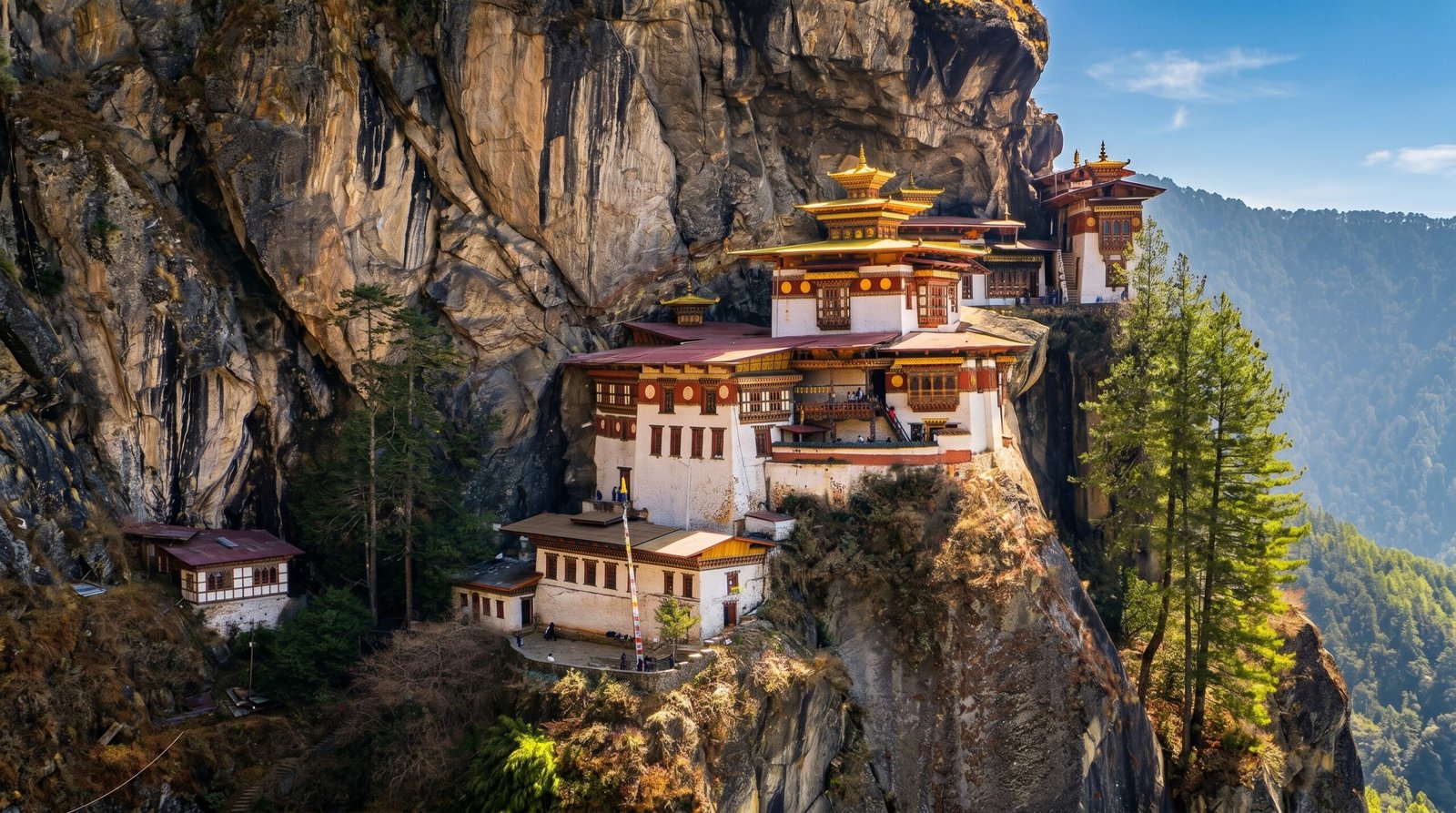
In a world that feels increasingly loud, Bhutan remains a profound, mountain-framed whisper. Known as the “Last Shangri-La,” this Himalayan kingdom doesn’t just offer a vacation; it offers a recalibration of the soul.
If Bhutan has been on your bucket list, 2026 is the definitive year to make it happen. Here is why this specific window is the “Golden Hour” for travelers, along with the insider secrets to navigating it like a pro.
Why 2026 is the Year of the Dragon (and the Traveler)
1. The “Sweet Spot” for the Sustainable Development Fee (SDF)
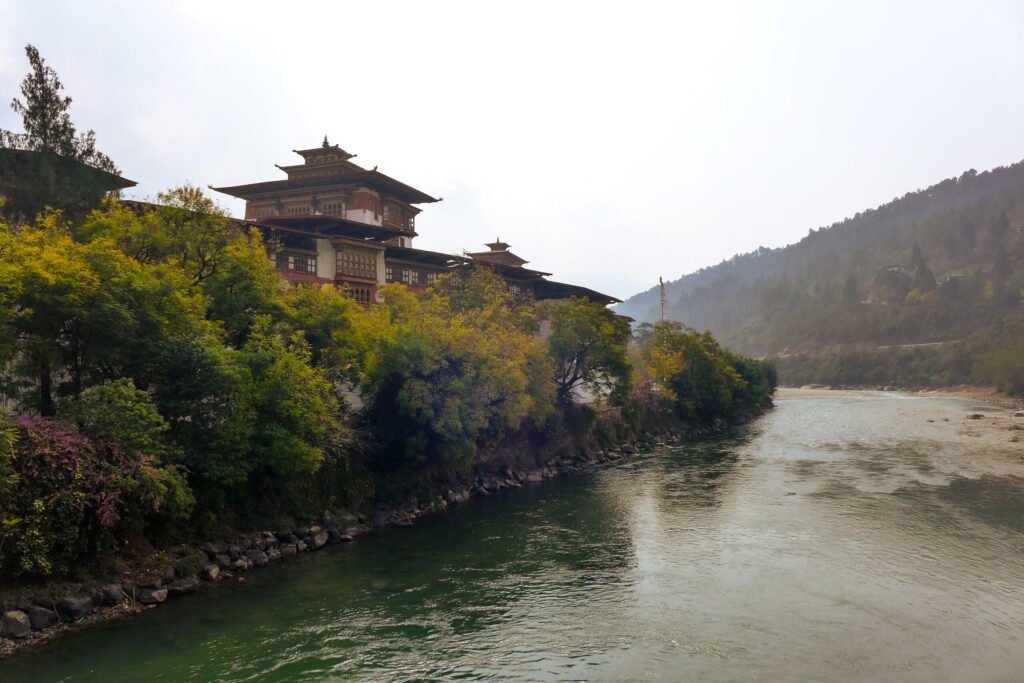
After several years of policy shifts, Bhutan has stabilized its Sustainable Development Fee at $100 USD per person, per night (a 50% reduction from the initial post-pandemic hike). This rate is currently set to last until August 2027. By 2026, the initial “reopening rush” has leveled off, but you are still locked into this lower rate before potential future adjustments. It’s the perfect balance of accessibility and the kingdom’s “High Value, Low Volume” exclusivity.
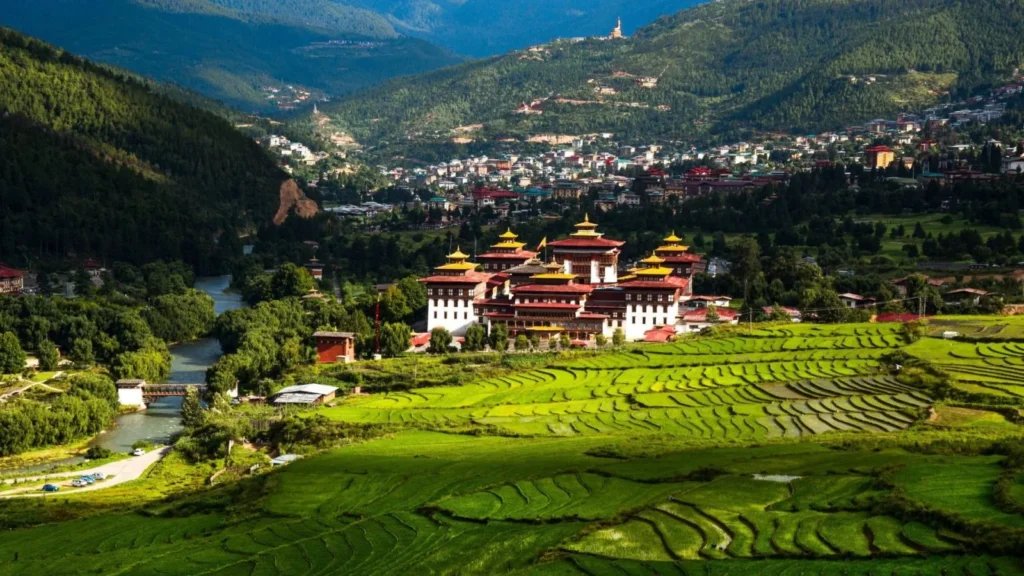
2. The Rise of the “Gelephu Mindfulness City”
2026 marks a pivotal year for the Gelephu Mindfulness City (GMC) project. This isn’t just another urban development; it’s a world-first “Special Administrative Region” designed around Gross National Happiness. For travelers, 2026 offers the first real glimpse into how Bhutan is blending ancient mindfulness with futuristic, carbon-negative architecture. Visiting now allows you to see the “Old Bhutan” and the “New Bhutan” coexist in a way that will never be quite this raw or exciting again.
3. A Perfectly Aligned Festival Calendar
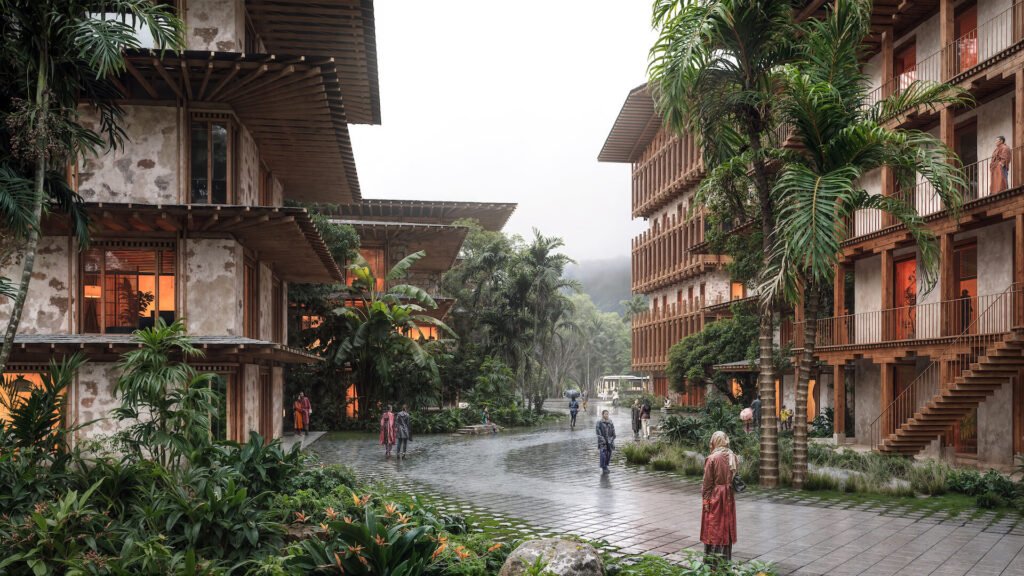
The 2026 lunar calendar has placed the major Tshechus (masked dance festivals) in prime weather windows.
- Spring Peak: The iconic Paro Tshechu falls between March 29 and April 2, 2026. This is peak rhododendron season—the valleys will be a literal explosion of pink and red.
- Autumn Peak: The Thimphu Tshechu takes place from September 21–23, 2026, perfectly coinciding with the clear, crisp Himalayan skies that offer the best views of the high peaks.
Juicy Insider Tips & “Pro” Info
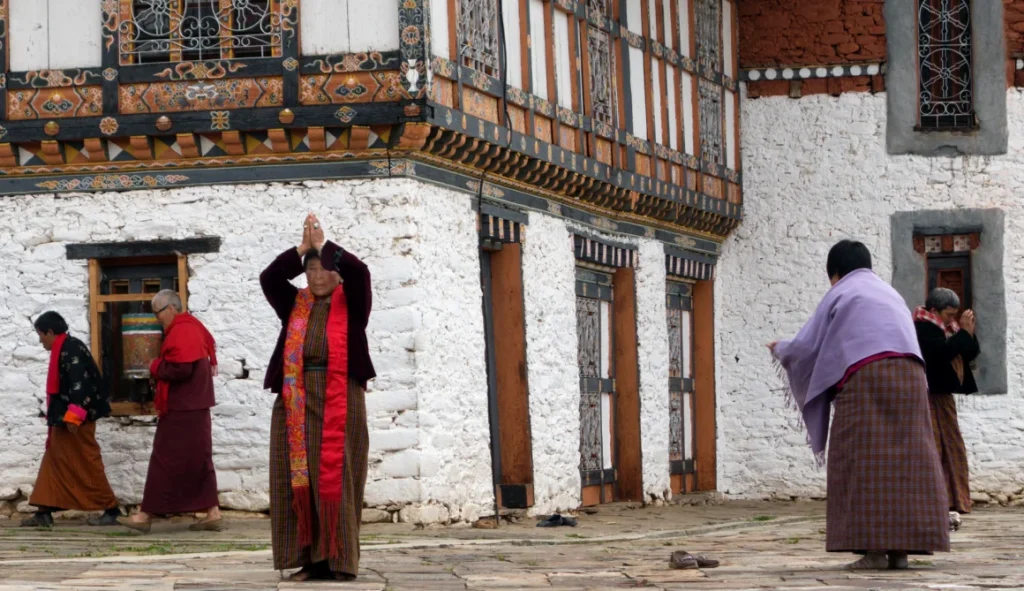
The “Left-Side” Secret: When flying from Bangkok or Delhi to Paro, request a seat on the left side of the aircraft (Seat A). As you approach Bhutan, the pilot will weave through the valleys, and you’ll get a face-to-face view of Mount Everest and Kanchenjunga that no trekking permit can buy.
Skip the “Standard” Tiger’s Nest Hike
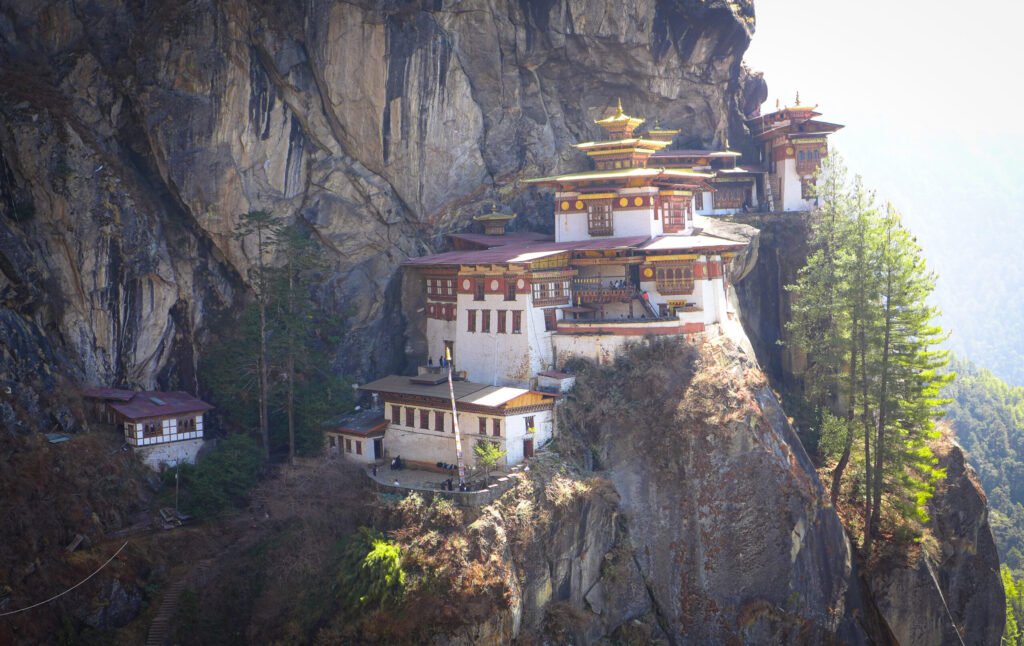
Everyone hikes to Paro Taktsang (Tiger’s Nest) in the morning. By 2026, the crowds are back.
- The Juicy Move: Start your hike at 1:00 PM. Most tour groups are heading down by then. You’ll have the golden afternoon light for photos, and often, you’ll find the monastery much quieter as the monks prepare for evening prayers. Just ensure your guide is okay with a sunset descent (bring a headlamp!).
The GST “Gotcha”
Starting January 1, 2026, Bhutan implemented a 5% Goods and Services Tax on certain tourism-related items. While it doesn’t affect your SDF, it means that luxury imports (like that French wine you want at dinner) will be pricier.
- Insider Tip: Stick to Ara (local fermented rice wine) or Bhutanese Highland Grain Whiskey. They are high quality, tax-friendly, and much more “authentic.”
The “Dotsho” Hack
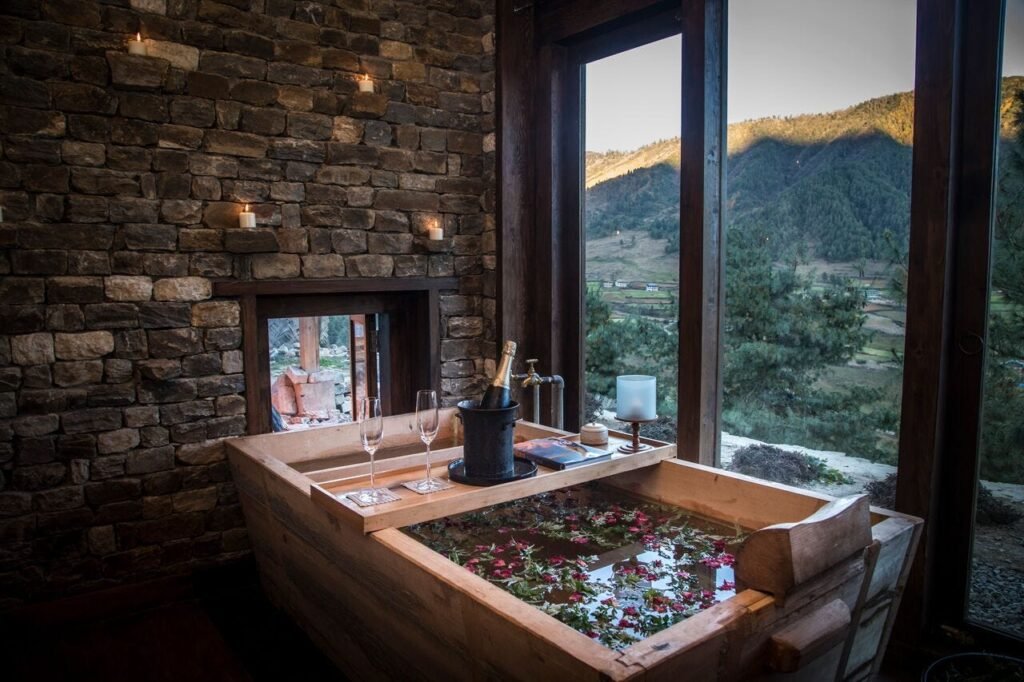
Don’t just settle for a hotel bathtub. Ask your guide to arrange a Traditional Hot Stone Bath (Dotsho) at a local farmhouse rather than a luxury spa.
- Why? The farmhouses use river stones heated in a wood fire until they glow red, which releases minerals into the water. It’s often served with a bowl of Ema Datshi (chili cheese) and a view of the rice paddies—a fraction of the price of a Five-Star resort, with ten times the soul.
Ready to plan your trip to Bhutan? Let us know, and we’ll connect you with our travel partner to plan your next dream retreat in Bhutan.