

The traditional poly-blend athletic kit is dead. For the 2026 FIFA World Cup season, football’s biggest stage has transformed into an extension of Paris Fashion Week, blurring the lines between sports tribalism and haute couture.
For decades, the FIFA World Cup was a closed ecosystem dominated by sportswear conglomerates.
But as the definition of luxury continues to evolve, the pitch has become the ultimate global runway.
Today, massive brands like Nike and Adidas are quietly handing the creative reins over to avant-garde visionaries and LVMH-backed heavyweights, turning national team kits and off-pitch wardrobes into highly coveted capsule collections.
Here is how high fashion is completely rewriting the rules of the beautiful game.
The European Maisons and The Tunnel Walk as a Runway
If the 90s and 00s were defined by oversized, uninspired national team tracksuits, the modern era is defined by bespoke tailoring and curated luxury.
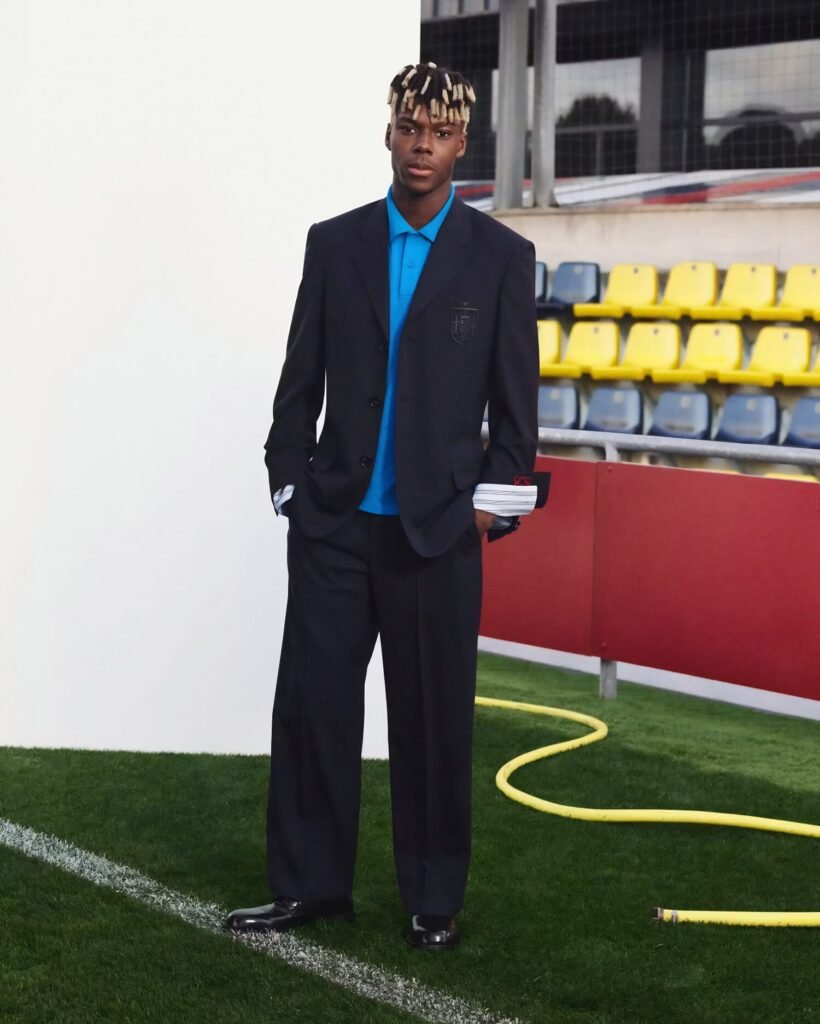
For the 2026 cycle, the tunnel walk—the highly publicized moment players arrive at the stadium—has been treated with the same reverence as a front-row seat at fashion week. Jonathan Anderson’s Loewe has entirely reimagined the off-pitch wardrobe for the Spanish national team, dropping the rigid formality of traditional suits in favor of relaxed work jackets, wide-legged trousers, and oversized Amazona bags.
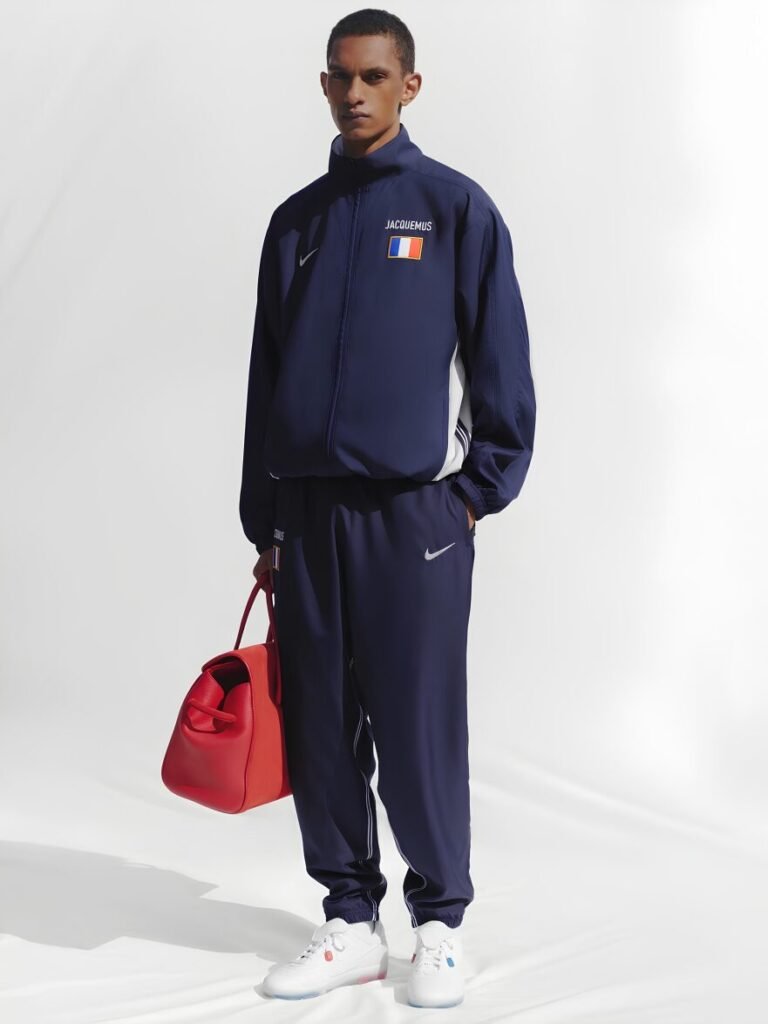
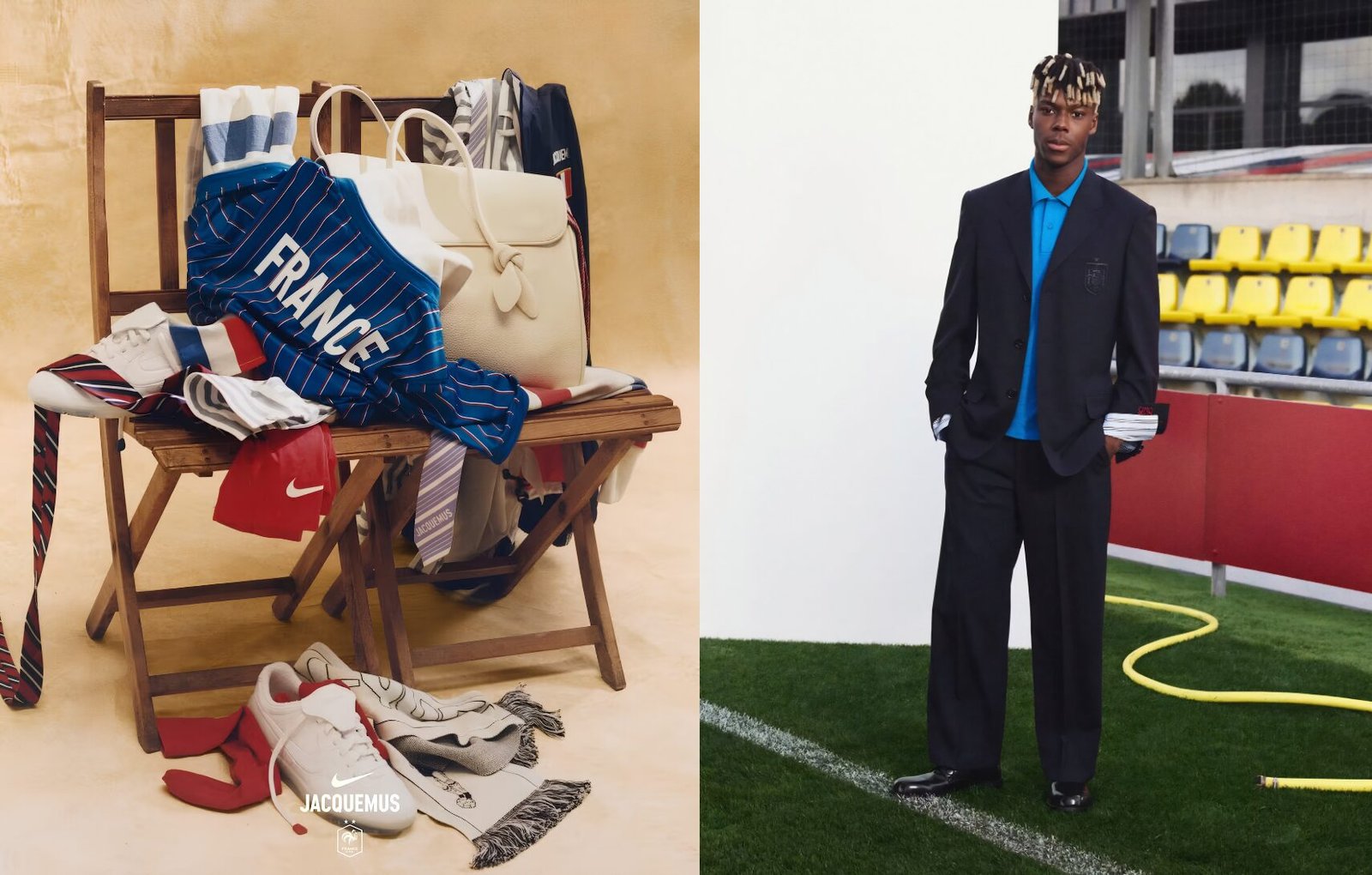
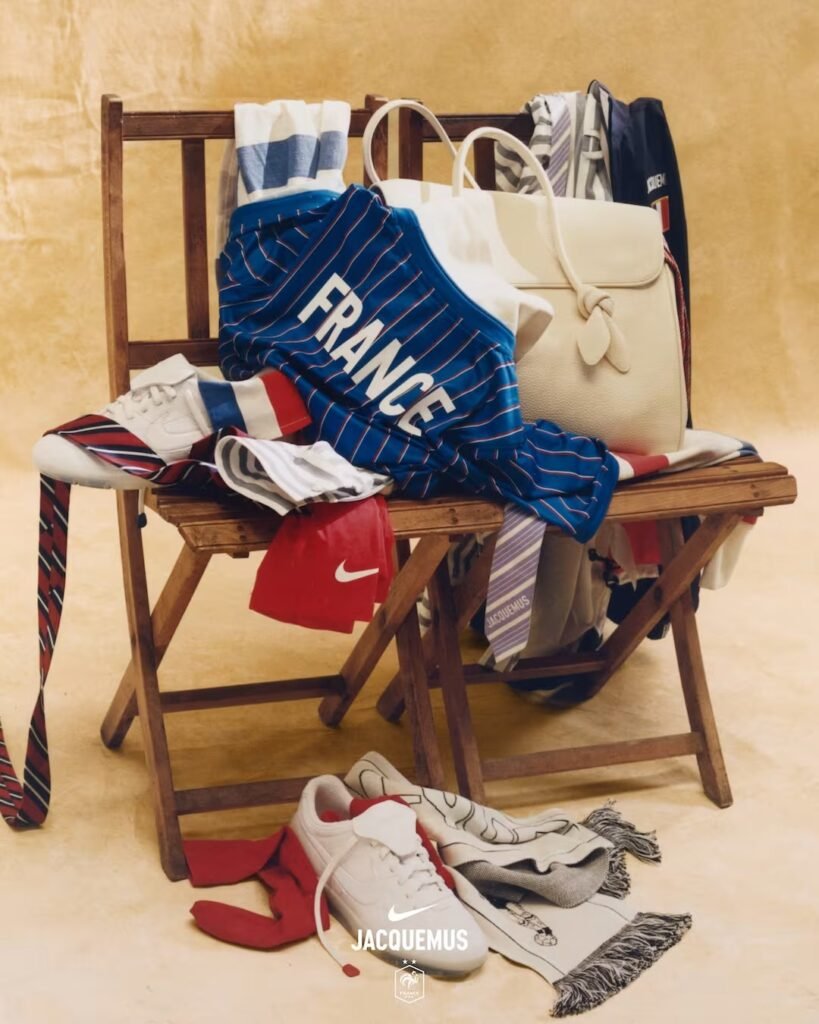
Meanwhile, Nike tapped Simon Porte Jacquemus to inject his signature Parisian aesthetic into the French national team’s lineup. The resulting capsule moves away from standard performance wear, offering heavily stylized pre-match jerseys and lifestyle pieces that feel more at home in a private luxury showroom than on a training ground.
Hype and Heritage: The Japanese Avant-Garde in 2022 and 2024
While the European houses focus heavily on the off-pitch aesthetic, the Japanese national team has brought high fashion directly onto the grass through brilliant, culture-shifting collaborations with Adidas.
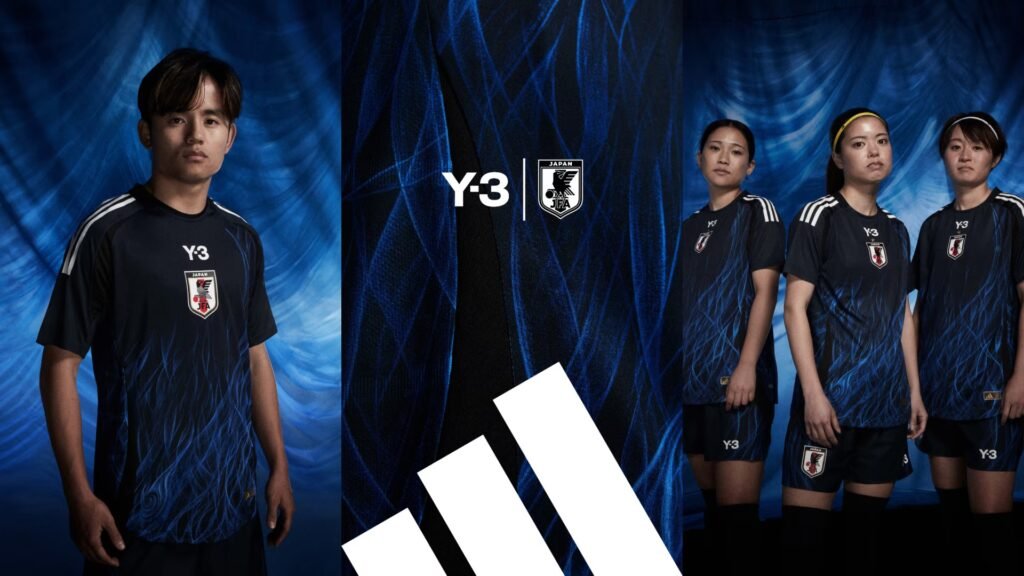
During the 2024 cycle, the Japanese Football Association enlisted legendary avant-garde designer Yohji Yamamoto. Under his Y-3 label, Yamamoto abandoned standard athletic templates entirely, delivering a striking home kit engulfed in hand-painted blue flames. It is a masterpiece of subcultural design, proving that a national kit can be both a piece of performance gear and a highly collectible streetwear artifact.
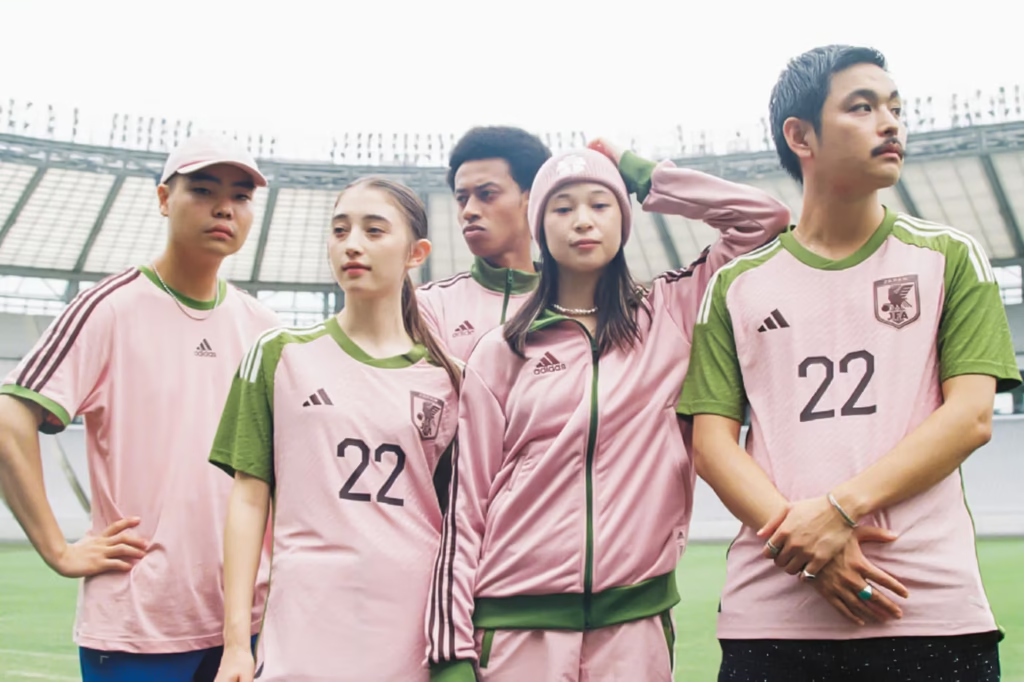
Prior to the 2024 season, streetwear icon NIGO (current Artistic Director at Kenzo) was brought in to design a special-edition collection for the Japanese squad in 2022. Blending his deep roots in Tokyo street culture with traditional heritage, NIGO delivered a minimalist pink and green kit inspired by the cherry blossom—a masterclass in subtle, culturally resonant design.
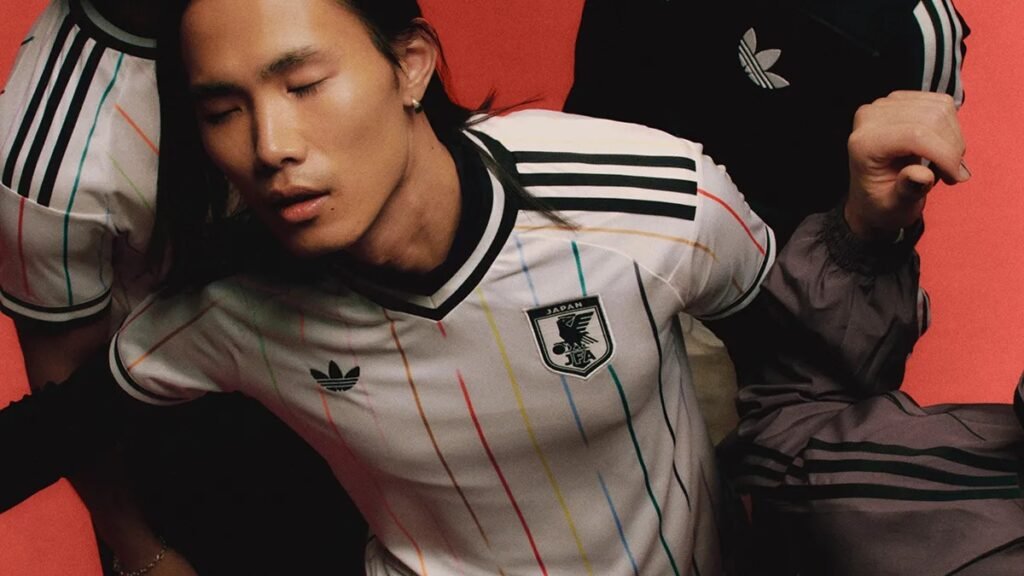
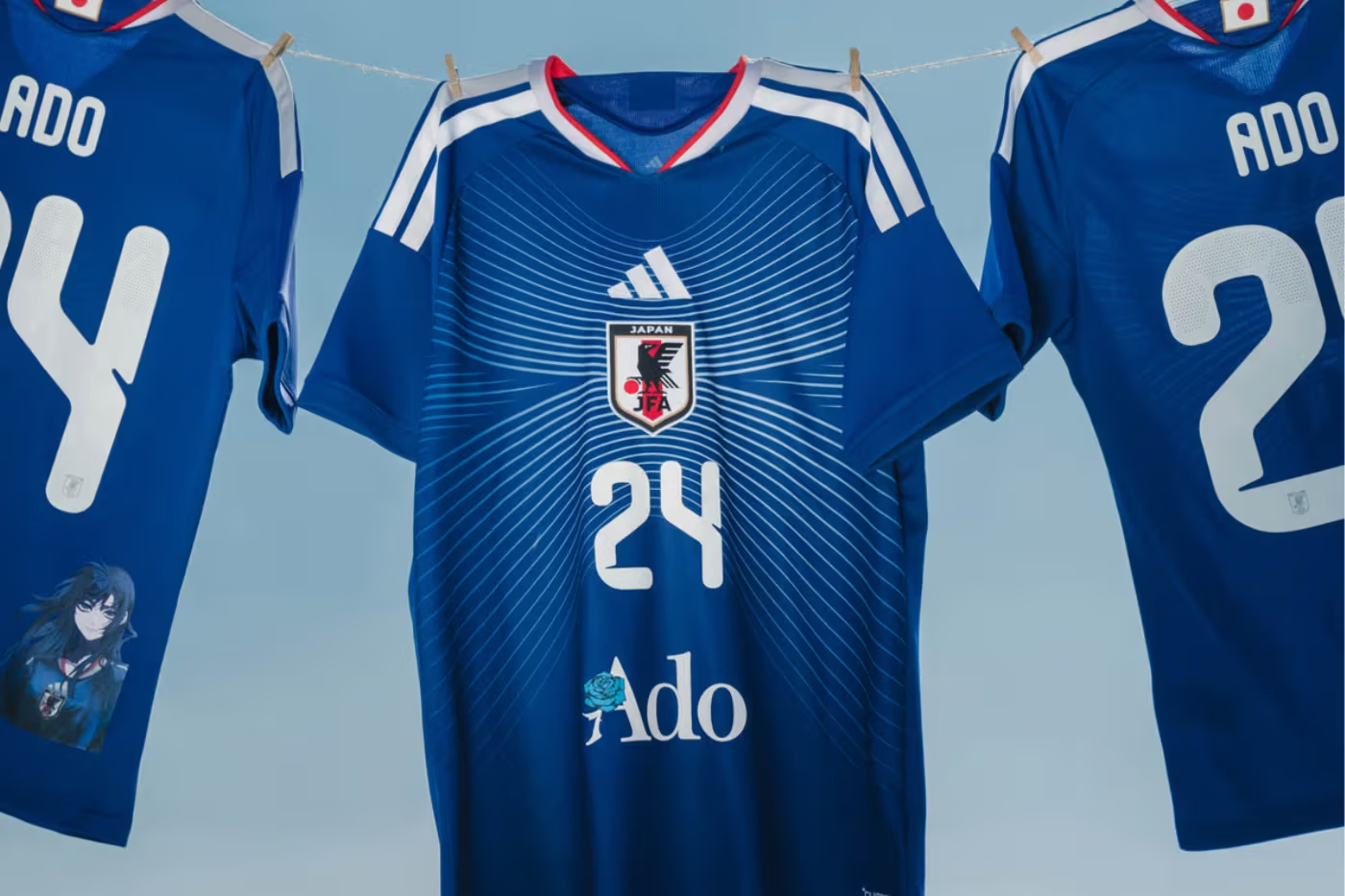
Notably at the 2026 World Cup however, Adidas has taken the Team Japan jersey back in-hous with its official 2026 “Beyond the Horizon” kits:
The New Era of Exclusivity
What we are witnessing is the premiumization of football. These collaborations represent a fundamental shift in how we consume the sport. The jerseys are no longer just merchandise bought outside a stadium; they are limited-edition drops, debated by fashion critics, and secured through the same channels as a rare timepiece or a runway piece.
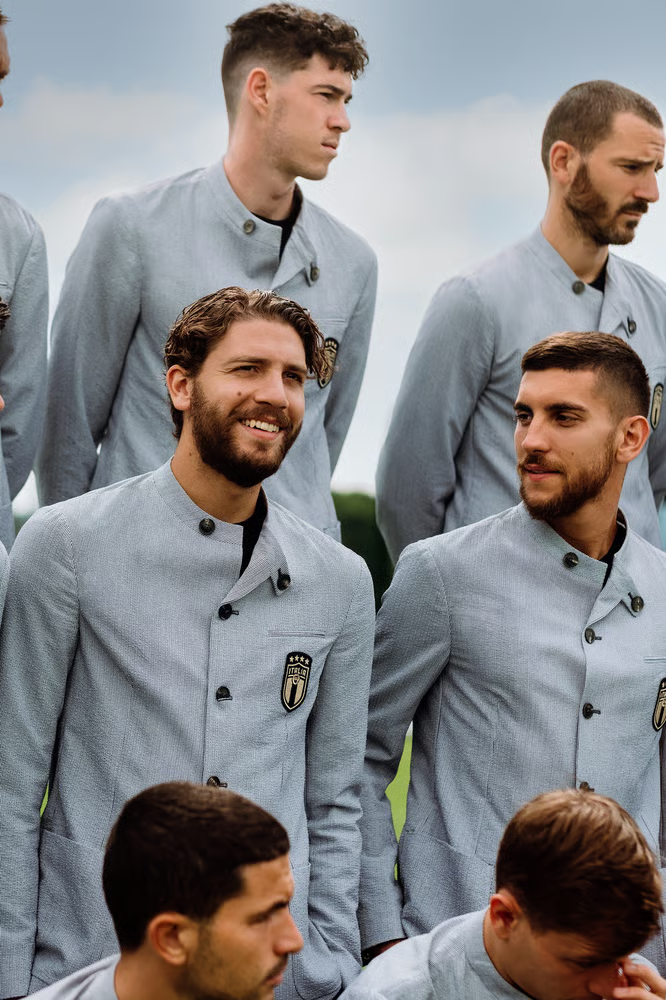
For the modern luxury consumer, the question is no longer just who is going to win the World Cup, but who designed the uniform they are wearing when they lift the trophy.